
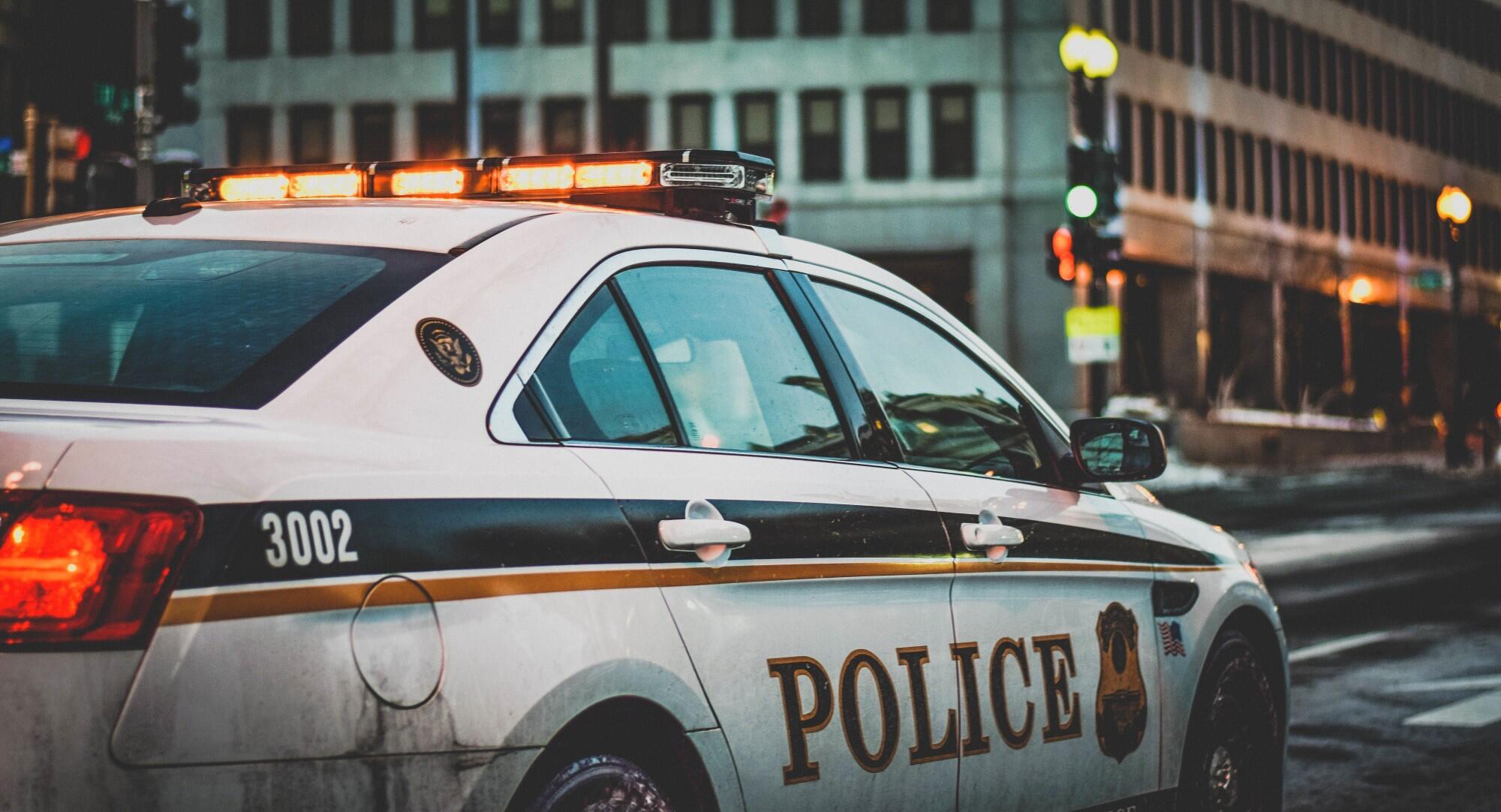
Do I need a police report to file a claim? Discover the legal requirements and ensure you’re prepared for your claim process today.
Do I need a police report to file a claim? Car accident claims often move faster and more smoothly when you have a police report, but one is not always legally required. Your state laws, the crash details, and your insurer’s rules can all affect what documentation you need.
In 2022, police-reported traffic crashes injured an estimated 2.38 million people in the United States, according to the National Highway Traffic Safety Administration. Many insurance claims become harder when drivers lack clear evidence from the scene. A police report can help confirm key details, support car accident documentation, and reduce disputes during the claims process.
Can You File an Insurance Claim Without a Police Report?
Many insurance companies still allow claims after minor accidents without an official police report. Small parking lot collisions or crashes with very limited damage may only require:
- Photos
- Driver details
- Witness information
Problems often appear when the fault becomes disputed or injuries surface later. Insurance requirements can quickly become stricter once the claims process involves larger repair costs or medical bills.
When Should You Always Call the Police After a Crash?
Police should usually be called when accidents involve:
- Injuries
- Major damage
- Reckless driving
- Uninsured motorists
An officer’s report can create a neutral account of what happened at the scene.
Certain states also legally require crash reports once damage or injuries reach specific limits. Filing quickly can also help preserve evidence and make legal filing steps much easier and less stressful later on.
What Information Goes Into a Police Report?
A police report often contains far more detail than most drivers realize. Officers usually document road conditions, vehicle positions, visible injuries, witness names, insurance details, and early statements from everyone involved. Strong records like these can become extremely valuable once insurance companies begin reviewing fault or payout amounts.
Missing details after a crash can create delays that stretch on for weeks. Adjusters may question timelines, challenge damage claims, or request extra proof before approving compensation. Clear accident records can prevent many of those disputes before they grow larger.
Some of the most useful details in a report include:
- Driver statements
- Witness accounts
- Crash diagrams
- Road conditions
- Injury observations
- Vehicle damage
Good car accident documentation also helps attorneys build a stronger case if legal action becomes necessary later in the claims process.
Does State Law Require a Police Report?
State laws can heavily affect how accidents must be reported. Some states require drivers to contact law enforcement after crashes involving injuries, deaths, or damage above a certain dollar amount. Failing to report the accident could sometimes lead to fines or license penalties.
Georgia law, for example, generally requires reporting accidents involving injury, death, or significant property damage. Insurance companies may also look more closely at insurance requirements when no official report exists.
Local reporting laws can quietly shape the outcome of a claim. Drivers who skip reporting often rely only on photos and personal statements later. That can become risky if another driver changes their version of events days after the crash.
How Can Photos and Witnesses Support Your Claim?
A police report is helpful, but other evidence can also strengthen your position after a crash. Photos taken immediately after the accident can capture damage, skid marks, traffic signs, weather conditions, and vehicle placement before the scene changes.
Witness statements may also help support your version of events when fault becomes disputed. Independent witnesses often carry weight because insurance adjusters see them as neutral observers instead of interested parties.
Some useful evidence includes:
- Vehicle photos
- Injury images
- Witness contacts
- Dashcam footage
- Repair estimates
- Medical records
Why Do Insurance Companies Prefer Official Reports?
Insurance companies often trust police reports because officers document facts shortly after the crash happens. Reports can help adjusters compare statements, review scene details, and identify possible inconsistencies before approving payments.
Without official documentation, insurers may spend longer investigating the accident. Delays can grow when drivers provide conflicting stories or when damage appears worse days later. Some claims process disputes even lead to denied payouts when the evidence remains weak.
Frequently Asked Questions
Can Insurance Deny a Claim Without a Police Report?
Insurance companies do not automatically deny claims because a police report is missing. Many smaller accidents can still move forward with photos, witness statements, and other car accident documentation.
Claims may become harder when fault is unclear or evidence is limited.
How Long Do You Have to File a Police Report?
Reporting deadlines depend on state law and accident severity. Some states require immediate reporting when injuries or major damage are involved.
Waiting too long can complicate legal filing steps and delay insurance reviews.
Should You Call the Police for a Minor Accident?
Minor crashes without injuries sometimes do not legally require police involvement. Many drivers still contact law enforcement because official records can help prevent later disputes.
What Happens if Drivers Disagree on Fault?
Insurance companies usually investigate both sides before making a decision. Adjusters may review:
- Witness accounts
- Photos
- Vehicle damage
- Available reports
Can a Lawyer Help With the Claims Process?
Attorneys can help gather evidence, communicate with insurers, and explain insurance requirements after serious crashes. Legal guidance may also help when claims are delayed or denied.
Understanding the Question: Do I Need a Police Report to File a Claim?
The question of “Do I need a police report to file a claim?” depends on the accident details, state laws, and your insurance company’s requirements. Minor crashes may move forward without one, but official reports often make the claims process smoother and help support stronger car accident documentation.
From the busy streets near Savannah’s historic district to highways stretching across Georgia, one crash can change the rhythm of daily life in seconds. At Lasky Justus Law, experienced trial attorneys handle car wrecks, catastrophic injuries, wrongful death cases, and complex insurance battles with the strength of a large litigation firm while still offering the personal connection of a smaller practice.
Offices in historic downtown Savannah serve clients across all 159 Georgia counties, bringing focused legal support when uncertainty feels overwhelming. Contact us today to speak with a team that treats every case with care, determination, and the belief that if it matters deeply to you, it matters deeply to us too.