Who is liable in a truck accident? Gain clarity on fault and responsibility to secure your rights. Discover essential information now!
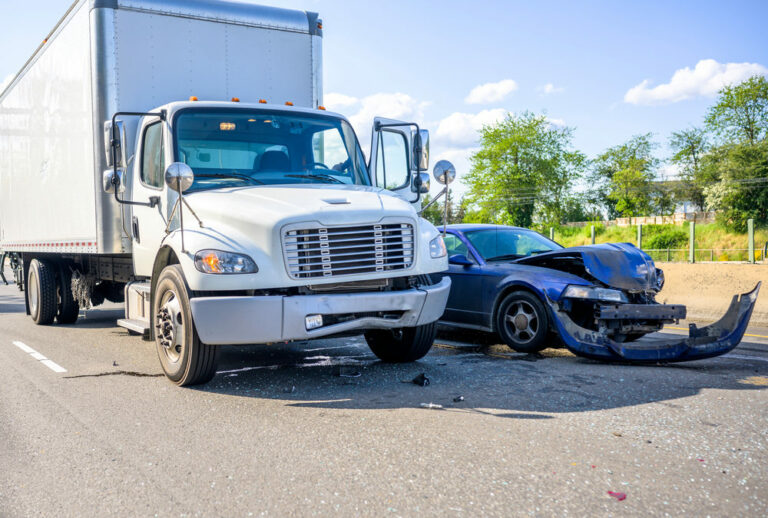
Who is liable in a truck accident? Liability can depend on several factors, including truck driver negligence and the events leading to the crash. Trucking company responsibility can also play a role when poor hiring, training, or maintenance contributes to an accident.
Police report findings often help establish what happened and identify parties that may share fault. According to the National Safety Council (NSC), about 120,724 large trucks were involved in injury-causing crashes in 2024. Many of those accidents involved collisions with passenger vehicles, leading to serious injuries and financial losses.
If you or a loved one has been involved in a truck accident, understanding how fault is determined can help protect your interests. A clearer picture of liability can help identify the responsible party and support your efforts to recover damages.
How Does Black Box Data Affect Truck Accident Investigations?
Black boxes capture valuable data before, during, and after a crash, helping reveal what happened in a collision. Investigators may review:
- Vehicle speed
- Braking activity
- Engine performance
- Driving hours
- Steering inputs
- Seatbelt usage
Black box records help confirm or challenge statements from drivers and witnesses. When combined with physical evidence and witness accounts, this data provides investigators with a clearer, more complete picture of how the accident occurred.
Can a Vehicle Manufacturer Be Sued for Autonomous Braking Failures?
Modern trucks often use advanced safety systems designed to reduce the risk of collisions. Autonomous braking technology helps drivers respond to sudden hazards on the road. However, issues can occur when the system fails to activate or operates incorrectly.
A vehicle manufacturer may face legal claims if a defective component contributes to an accident. Investigators often review:
- Maintenance records
- Software data
- Vehicle performance reports
- System error logs
- Sensor calibration history
These records help determine whether the braking system functioned as intended. They also show whether software faults or mechanical issues played a role in the failure.
Factors That Determine Who Is Liable in a Truck Accident
Determining truck accident fault is an important step when pursuing financial recovery after a crash. Liability investigations can involve several parties, extensive records, and complex legal issues. Gathering evidence without professional guidance can make the process more challenging.
Legal professionals such as Lasky Justus Law can evaluate accident details and identify responsible parties. Our team can explain available options, review supporting evidence, and help you understand your rights throughout the claims process.
Truck Driver Negligence
Driver behavior remains one of the most common causes of truck accidents due to:
- Speeding
- Distracted driving
- Driver fatigue
- Impaired judgment
- Poor lane control
- Following too closely
When a driver is found responsible, they may face legal and financial liability for the crash. Their employer and insurance provider may also become involved in the settlement process. Investigators use driving logs, phone records, and electronic data to establish negligence and determine fault.
Trucking Company Responsibility
A trucking company may share responsibility if unsafe business practices lead to a crash. Employers often oversee driver training, vehicle inspections, and compliance with industry regulations. Failure to maintain safe standards can expose other motorists to unnecessary risks.
Investigators may review hiring records, maintenance reports, and company policies. Understanding liability in trucking often requires examining the actions of both the driver and the employer. Findings from those records can help identify whether company negligence played a role.
Cargo Loading Errors
Improperly loaded cargo can affect a truck’s:
- Balance
- Handling
- Braking performance
Shifting cargo may increase rollover risks or make steering more difficult. Overloaded trailers can also place additional strain on critical vehicle components.
Loading crews and third-party contractors may share responsibility when mistakes contribute to an accident. Investigators often review weight records and cargo securement procedures. Such evidence can help determine whether loading errors influenced the events leading to the crash.
Police Report Findings
Police reports document:
- Roadway conditions
- Witness statements
- Vehicle positions
- Visible damage
- Time of crash
- Weather conditions
Investigators often use these reports to establish a clear account of what happened. Insurance companies and attorneys review them when assessing liability.
While police findings alone may not determine accident fault, they still provide important supporting evidence. Combined with other records, they help clarify how the crash occurred and support liability assessments.
Frequently Asked Questions
Can Pedestrian Actions Shift Blame Away From the Truck Driver?
Pedestrian behavior can shift liability away from a truck driver in certain crash situations. Jaywalking, ignoring signals, or sudden road entry can contribute to the incident. Investigators examine video footage, witness accounts, and scene evidence to assess actions.
These findings may reduce the driver’s responsibility and affect truck accident compensation outcomes. Courts consider whether each party followed traffic laws and acted with reasonable care during the event.
What Role Does Post-Accident Drug Testing Play in Establishing Fault?
Post-accident drug testing helps investigators assess whether impairment contributed to a truck collision. Results may reveal alcohol or drug use that affected driver performance. Authorities compare test results with:
- Logs
- Witness statements
- Vehicle data
Positive results can strengthen liability claims and influence legal rights in accident cases. The evidence helps clarify whether impairment played a role in causing the crash.
Does a Driver’s Pre-Existing Medical Condition Impact Company Liability?
A driver’s pre-existing medical condition can affect a company’s liability if it impairs safe driving. Conditions such as seizures or heart issues may increase crash risk if not managed properly.
Employers must evaluate medical fitness and monitor driver health compliance. Investigators review medical records and work history to assess responsibility. Findings can influence compensation claims and determine how liability is shared.
Consult a Lawyer to Identify Liability in a Truck Accident
In serious crashes, liability depends on the driver’s actions, company policies, and available evidence. Understanding who is liable in a truck accident requires reviewing logs, medical data, and scene reports. Each case turns on facts, not assumptions, and small details can change responsibility.
At Lasky Justus Law, we serve clients across Georgia with dedicated personal injury representation. We have secured multiple seven-figure results, including a $1.5 million settlement for a catastrophic car wreck. Our firm has practiced for over 40 years, building a strong record of results for injured clients.
We understand how life changes after a serious crash, and we treat every case with care and urgency. Reach out today to speak with us and protect your rights.