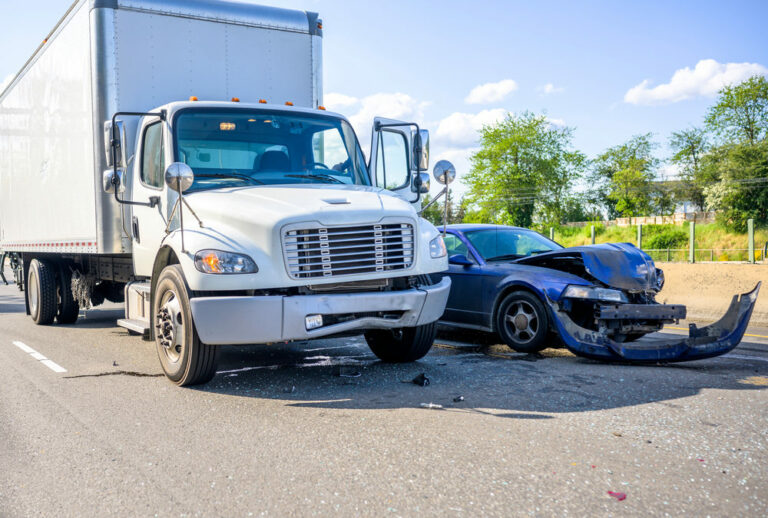

What is the role of a lawyer in a car accident personal injury case? What types of evidence do they need? Learn more about the process in our latest blog!
Lawyers approach a car accident personal injury case by investigating fault, gathering evidence, documenting damages, and negotiating with insurers. They may collect crash reports, medical records, photographs, witness statements, and financial records to establish liability and determine appropriate compensation.
Could important evidence or an early insurance offer affect the outcome of your claim? In 2024, more than 315,000 people were injured in crashes involving distracted drivers, according to the National Highway Traffic Safety Administration. A personal injury lawyer can evaluate available evidence, identify potentially responsible parties, assess documented losses, and communicate with insurers.
How Hard Is It to Win a Personal Injury Lawsuit?
Winning a personal injury lawsuit depends on more than showing that an accident happened. A strong case usually requires clear proof in several areas:
- Negligence
- Causation
- Damages
Negligence
Negligence means another person failed to use reasonable care and caused an avoidable accident. A driver might violate traffic laws or fail to react safely to road conditions. Evidence of that conduct can strengthen a claim.
Causation
The injured person must connect the other party’s actions directly to the injuries. Medical records can show when treatment began and how the injuries developed. Gaps in treatment may make that connection harder to establish.
Damages
A successful claim also requires proof of actual losses caused by the accident. Medical expenses and missed work can document the financial impact. Understanding personal injury rights can also clarify which losses may qualify for compensation.
Disputed fault can make the compensation claim process more difficult. Some states reduce compensation when an injured person shares responsibility for the crash. Strong evidence can affect both liability and the amount recovered.
Is It Better to Settle With Insurance or Get a Lawyer?
Accepting an insurance settlement and hiring a lawyer aren’t necessarily competing choices. A lawyer can negotiate with the insurer without immediately filing a lawsuit.
An early settlement may arrive before the full cost of an injury becomes clear. Future medical treatment or additional time away from work could increase the value of a claim. Accepting an offer too quickly may leave those later expenses uncovered.
A personal injury lawyer can compare an insurer’s offer with the losses supported by available evidence. That review may include current expenses and expected future costs. It can also account for other damages permitted under state law.
Settlement agreements also deserve careful review. Most require the injured person to release certain parties from further liability. After signing, the person generally cannot seek additional compensation from those parties for the same accident.
Getting accident legal advice can clarify the terms before a final decision is made. A lawyer may recommend negotiating further or accepting a reasonable offer. Filing a lawsuit may become an option if negotiations fail.
How Lawyers Investigate a Car Accident Personal Injury Case
A lawyer usually begins by learning exactly how the collision happened and identifying possible sources of proof. Several types of evidence can strengthen a car accident personal injury case:
- Crash records
- Medical documentation
- Witness and digital evidence
Crash Records
Police reports can establish basic facts about the collision. Photos may reveal vehicle damage or road conditions that clarify how the crash occurred.
Medical Documentation
Medical records connect injuries with treatment received after the collision. Bills also show the financial cost of that care. Employment records may document income lost during recovery.
Witness and Digital Evidence
Witnesses can describe events that photographs cannot capture. Video from nearby cameras may provide another view of the crash. Dashcam footage or vehicle data can also reveal important details.
Evidence can disappear quickly. Lawyers may send preservation letters asking parties to retain relevant records. Getting automobile accident help early can reduce the risk of losing valuable proof.
Determining Fault and Identifying Responsible Parties
Determining fault means finding whose actions contributed to the crash. Lawyers compare evidence with traffic laws to build a clear explanation of what happened.
A driver may be responsible after speeding or making an unsafe lane change. Phone records could also reveal distracted driving when that issue is disputed. Witness accounts and physical evidence can confirm or challenge each driver’s version of events.
Responsibility doesn’t always stop with one driver. An employer may share liability if an employee caused a crash while performing job duties. A vehicle manufacturer could become involved when a defective part contributed to the collision.
Identifying every responsible party matters because each may have different insurance coverage. It can also affect the compensation available for serious injuries.
State negligence rules can change the final recovery. Some states reduce compensation when injured people share responsibility for their accidents. Understanding personal injury rights can clarify how shared fault may affect a particular claim.
Frequently Asked Questions
How Long Do You Have to File a Car Accident Injury Lawsuit?
Every state sets deadlines for filing injury lawsuits, often called statutes of limitations. The deadline may depend on the claim and parties involved.
Government-related claims can have shorter notice periods. Insurance deadlines may also differ from the deadline for filing a car accident personal injury lawsuit.
Can a Lawyer Help if the Other Driver Is Uninsured?
Yes. Your own policy may include uninsured motorist coverage for injuries caused by a driver without insurance.
Underinsured motorist coverage may apply when the responsible driver’s policy cannot cover your losses. An attorney can review available policies and determine possible sources of automobile accident help.
What Happens if You Were Partially at Fault for the Accident?
Shared fault doesn’t always prevent compensation. Many states use comparative negligence rules that reduce recovery according to your percentage of responsibility.
Other states follow stricter rules that may completely prevent recovery. Understanding local personal injury rights is important when fault is disputed.
Know Your Personal Injury Rights
A car accident personal injury case requires careful investigation, strong evidence, and a clear understanding of damages.
At Lasky Justus Law, we represent clients across all 159 Georgia counties in personal injury and civil litigation matters. Our Savannah firm combines the personal relationships of a small practice with the reputation, influence, and results of a larger firm. Five experienced trial attorneys handle cases involving auto accidents, medical malpractice, catastrophic injuries, nursing home abuse, and wrongful death, taking on negligent parties and insurance companies for our clients.
Get in touch to find out how we can help with your case.